Antigenic Proteins of excretory and secretory products purified from Cotylophoron cotylophorum.
Keywords:
<i>Cotylophoron</i>, proteins, bovines, antigensAbstract
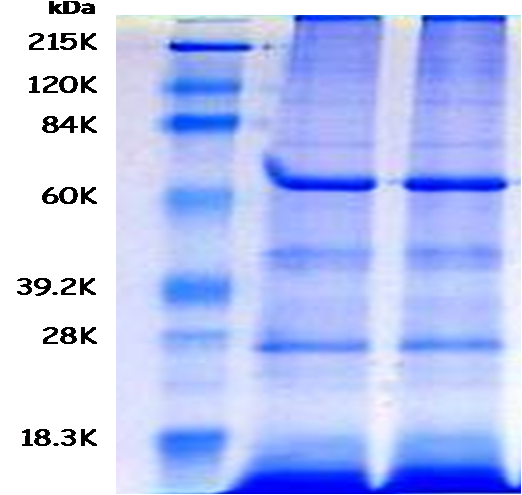
To diagnose the trematode Cotylophoron cotylophorum by the sedimentation and sieve technique has low efficiency when the parasite burden is low, because such technique has low sensitivity to diagnose the trematode eggs in the fecal samples. The main objective of this research was to purify some proteins from the secretory and excretory products of adult stages of C. cotylophorum with the aim of assessing its antigenicity by immunoelectrotransferency (Western Blot technique), next those proteins were used as antigens in an enzyme link immune assay (ELISA). First, 1,200 adult C. cotylophorum, collected directly from bovine´s rumen slaughtered at the local Matadero Industrial Centroccidental (MINCO), were incubated during 16 hours in Minimun Essential Eagle (MEM), and antigenic proteins were obtained from this MEM. Next, proteins were purified and concentrated by ultracentrifugation. An electrophoresis technique (SDS-PAGE) and a Western Blot were carried out to identify the antigenic proteins using an hyperimmune serum obtained from previously immunized rabbits with the purified proteins isolated from the excretory and secretory products of C. cotylophorum. Nine (9) protein bands were identified with molecular weights of: 17, 24, 43, 56, 62, 76, 83, 105, and 121 KDa, and three of these bands (62, 76, and 105 KDa) were recognized by the serum from four (4) bovines which had previously been diagnosed as positives to C. cotylophorum by coprologic tests. The protein with 76 KDa was the most reactive. Finally, these purified antigens may be used to develop immunoenzymatic assays with greater sensitivity and specificity, which would be very helpful tests for the diagnostic and epidemiologic study of C. cotylophorum in Venezuela.
Downloads
Published
Issue
Section
License
Gaceta de Ciencias Veterinarias se apega al modelo Open Access, por ello no se exige suscripción, registro o tarifa de acceso a los usuarios o instituciones. Los usuarios pueden leer, descargar, copiar, distribuir, imprimir y compartir los textos completos inmediatamente después de publicados, se exige no hacer uso comercial de las publicaciones. Para la reproducción parcial o total de los trabajos o contenidos publicados, se exige reconocer los derechos intelectuales de los autores y además, hacer referencia a esta revista. La publicación de artículos se hace sin cargo para los autores. Los trabajos pueden consultarse y descargarse libremente, y de manera gratuita, en extenso en versión digital, desde su enlace Web institucional. Los textos publicados son propiedad intelectual de sus autores. Las ideas, opiniones y conceptos expuestos en los trabajos publicados en la revista representan la opinión de sus autores, por lo tanto, son estos los responsables exclusivos de los mismos.